List Entry Information
Status
Listed
List Entry Status
Historic Place Category 1
Access
Able to Visit
List Number
2190
Date Entered
27th July 1988
Date of Effect
27th July 1988
City/District Council
Dunedin City
Region
Otago Region
Status
Listed
List Entry Status
Historic Place Category 1
Access
Able to Visit
List Number
2190
Date Entered
27th July 1988
Date of Effect
27th July 1988
City/District Council
Dunedin City
Region
Otago Region
Why is this place significant?
Historic Significance
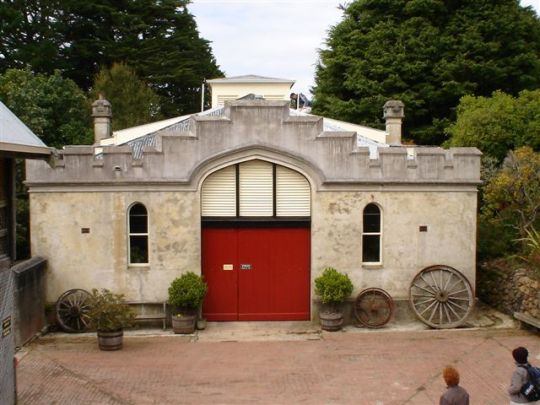
Historical Significance or Value William J M Larnach was born in New South Wales of a banking and merchant family. He came to Dunedin in 1869 as manager of the Bank of Otago, and started a milling, building and hardware firm with Walter Guthrie, which did well during the 1870s boom but went into receivership in 1882 during the 1880s depression. Larnach was a leading businessman with shares in many companies and was a director of several. He was a member of parliament between 1875-8, 1883-90, and 1894-98. He was involved in various ministries from 1877 onwards and pulled the Department of Mines into the modern age of large scale mining and proper reporting procedures. During the 1880s and 1890s Larnach ran a small kingdom on the Peninsula centred on the castle. As well as his family the castle had 46 servants. There were 35 acres of grounds, including a vinery, and a home farm of 300 acres with its own farmstead including a cow byre for 300 cows, stables, and quarters for farm workers. Tenant farmers on about 100 acres of land nearby also provided produce to the castle. The farm was regarded as a model for the local farming community.
Physical Significance
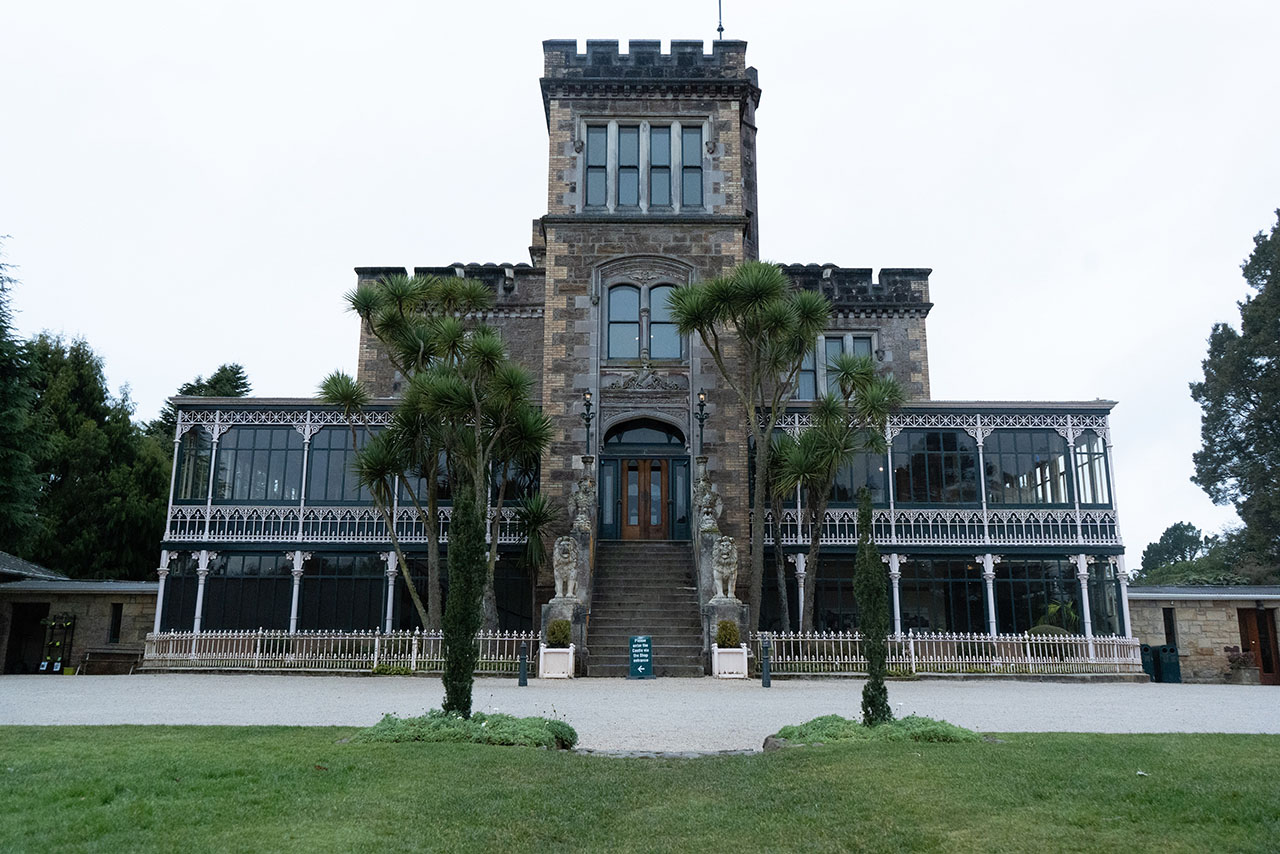
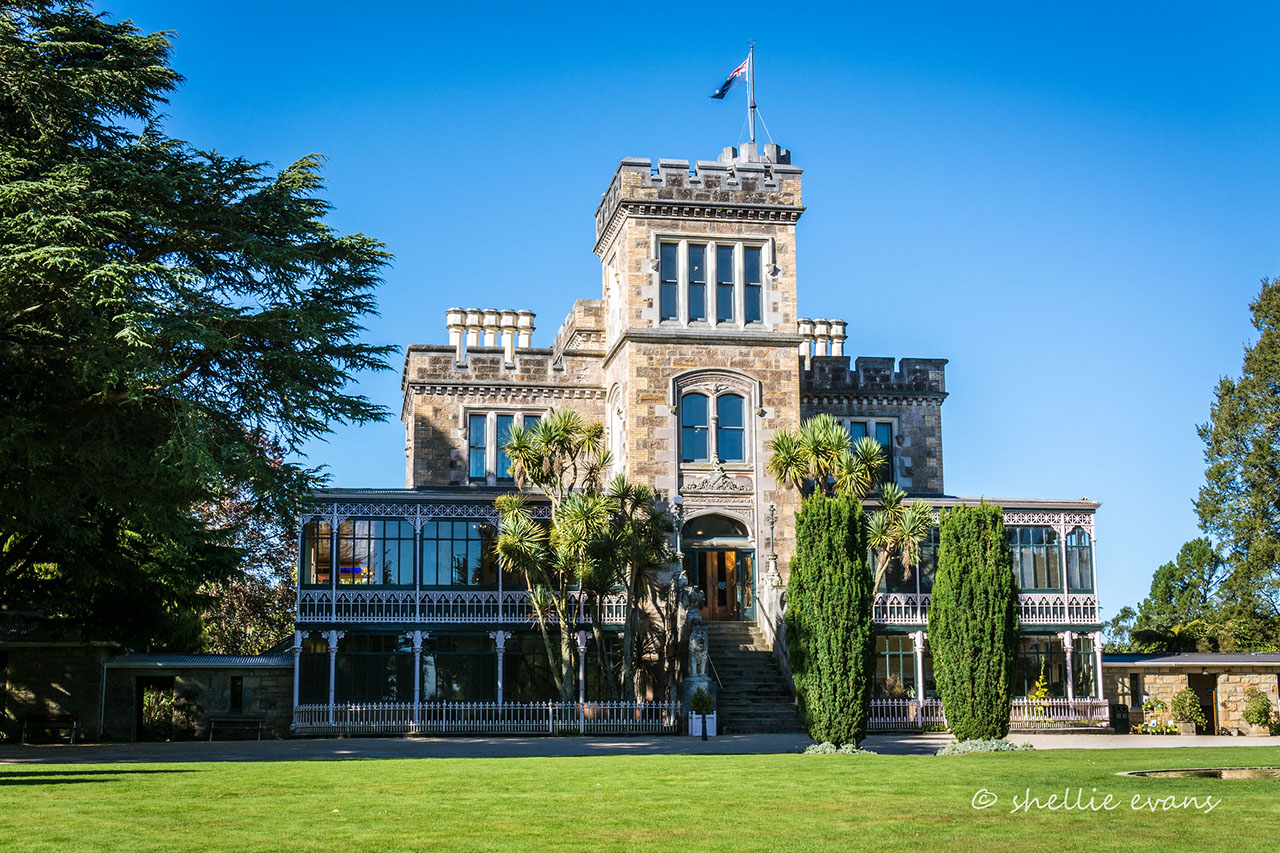
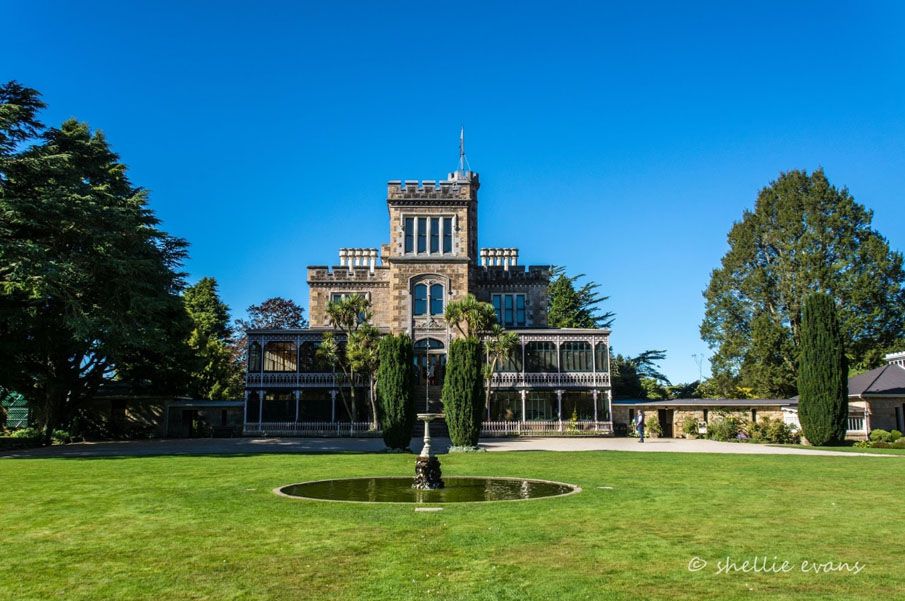
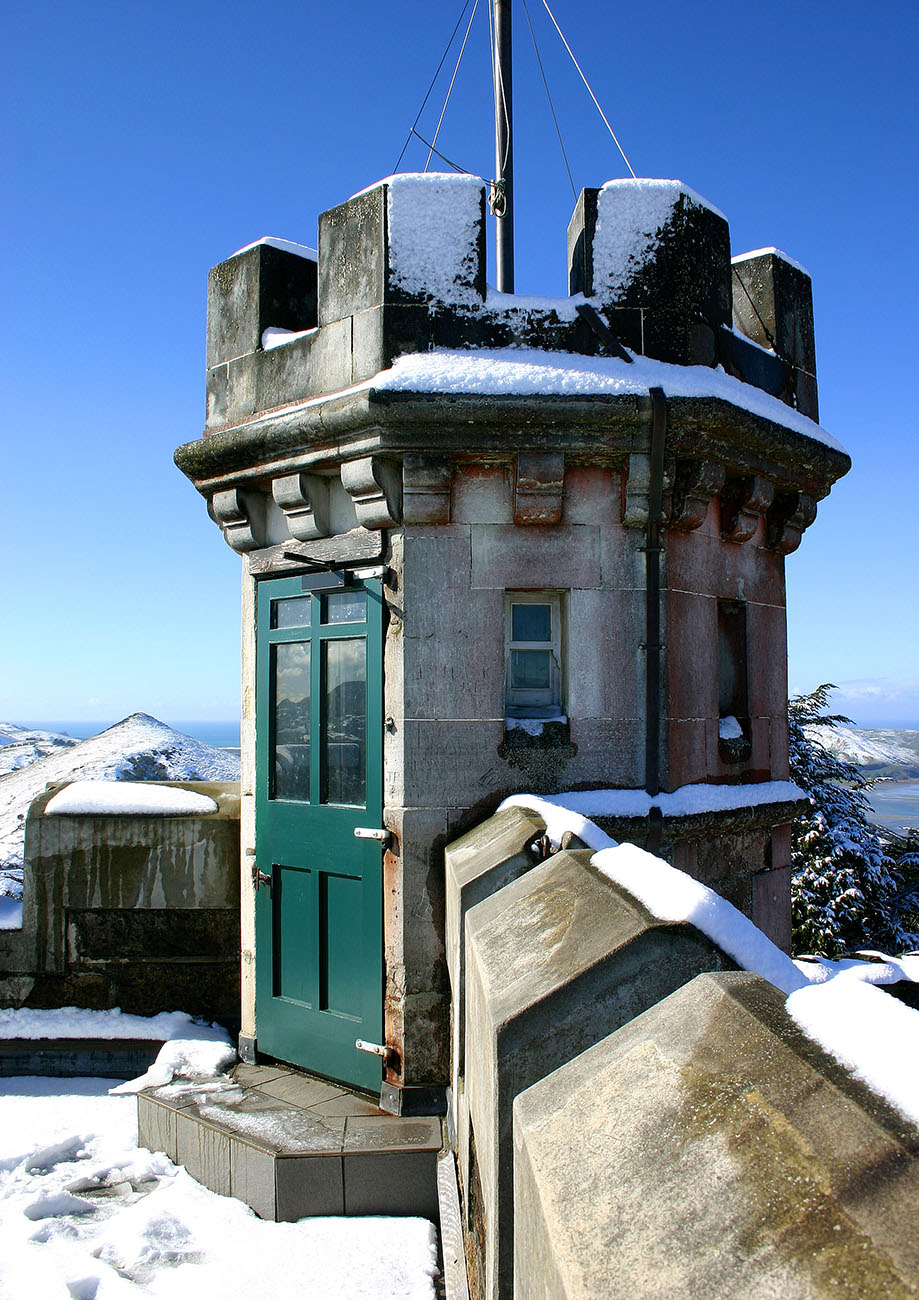
ARCHITECTURAL SIGNIFICANCE: It is the most grandiose private home in the southern part of the South Island and unique in its combination of styles. Stacpoole comments on the 'confused planning and awkwardness of the main elevation. The main elevation is ruined by the awkwardness of the tower which conflicts with the strongly horizontal emphasis of the verandahs, is clumsily fenestrated and penetrated by an absurd entrance at first floor level. Without the tower even the mind-boggling combination of glazed cast-iron verandahs and crenellated parapets would be acceptable' (Stacpoole 1976). TOWNSCAPE/LANDMARK SIGNIFICANCE: The castle crowns a hilltop on the Peninsula and is visible from many places on the harbour and local hills.
Why is this place significant?
Historic Significance
Historical Significance or Value William J M Larnach was born in New South Wales of a banking and merchant family. He came to Dunedin in 1869 as manager of the Bank of Otago, and started a milling, building and hardware firm with Walter Guthrie, which did well during the 1870s boom but went into receivership in 1882 during the 1880s depression. Larnach was a leading businessman with shares in many companies and was a director of several. He was a member of parliament between 1875-8, 1883-90, and 1894-98. He was involved in various ministries from 1877 onwards and pulled the Department of Mines into the modern age of large scale mining and proper reporting procedures. During the 1880s and 1890s Larnach ran a small kingdom on the Peninsula centred on the castle. As well as his family the castle had 46 servants. There were 35 acres of grounds, including a vinery, and a home farm of 300 acres with its own farmstead including a cow byre for 300 cows, stables, and quarters for farm workers. Tenant farmers on about 100 acres of land nearby also provided produce to the castle. The farm was regarded as a model for the local farming community.
Physical Significance
ARCHITECTURAL SIGNIFICANCE: It is the most grandiose private home in the southern part of the South Island and unique in its combination of styles. Stacpoole comments on the 'confused planning and awkwardness of the main elevation. The main elevation is ruined by the awkwardness of the tower which conflicts with the strongly horizontal emphasis of the verandahs, is clumsily fenestrated and penetrated by an absurd entrance at first floor level. Without the tower even the mind-boggling combination of glazed cast-iron verandahs and crenellated parapets would be acceptable' (Stacpoole 1976). TOWNSCAPE/LANDMARK SIGNIFICANCE: The castle crowns a hilltop on the Peninsula and is visible from many places on the harbour and local hills.
Construction Professional
Name
Lawson, Robert Arthur
Type
Architect
Biography
Born in Scotland, Lawson (1833-1902) began his professional career in Perth. At the age of 25 he moved to Melbourne and was engaged in goldmining and journalism before resuming architectural practice. In 1862 Lawson sailed for Dunedin, where his sketch plans had won the competition for the design of First Church. This was built 1867-73. Lawson went on to become one of the most important architects in New Zealand. First Church is regarded as his masterpiece and one of the finest nineteenth century churches in New Zealand. He was also responsible for the design of the Trinity Church (now Fortune Theatre), Dunedin (1869-70), the East Taieri Presbyterian Church (1870), and Knox Church, Dunedin (1874). He designed Park's School (1864) and the ANZ Bank (originally Union Bank, 1874). In Oamaru he designed the Bank of Otago (later National Bank building, 1870) and the adjoining Bank of New South Wales (now Forrester Gallery, 1881). See also: Ledgerwood, Norman, 2013. 'R.A. Lawson: Victorian Architect of Dunedin'. Historic Cemeteries Conservation NZ.
Construction Details
Start Year
1871
Type
Other
Description
The foundation stone was laid (August)
Start Year
1873
Type
Original Construction
Description
Building began
Start Year
1874
Type
Other
Description
The family moved in
Start Year
1875
Type
Other
Description
The lower apartments were finished
Start Year
1876
Type
Other
Description
The main shell was completed
Start Year
1887
Type
Modification
Description
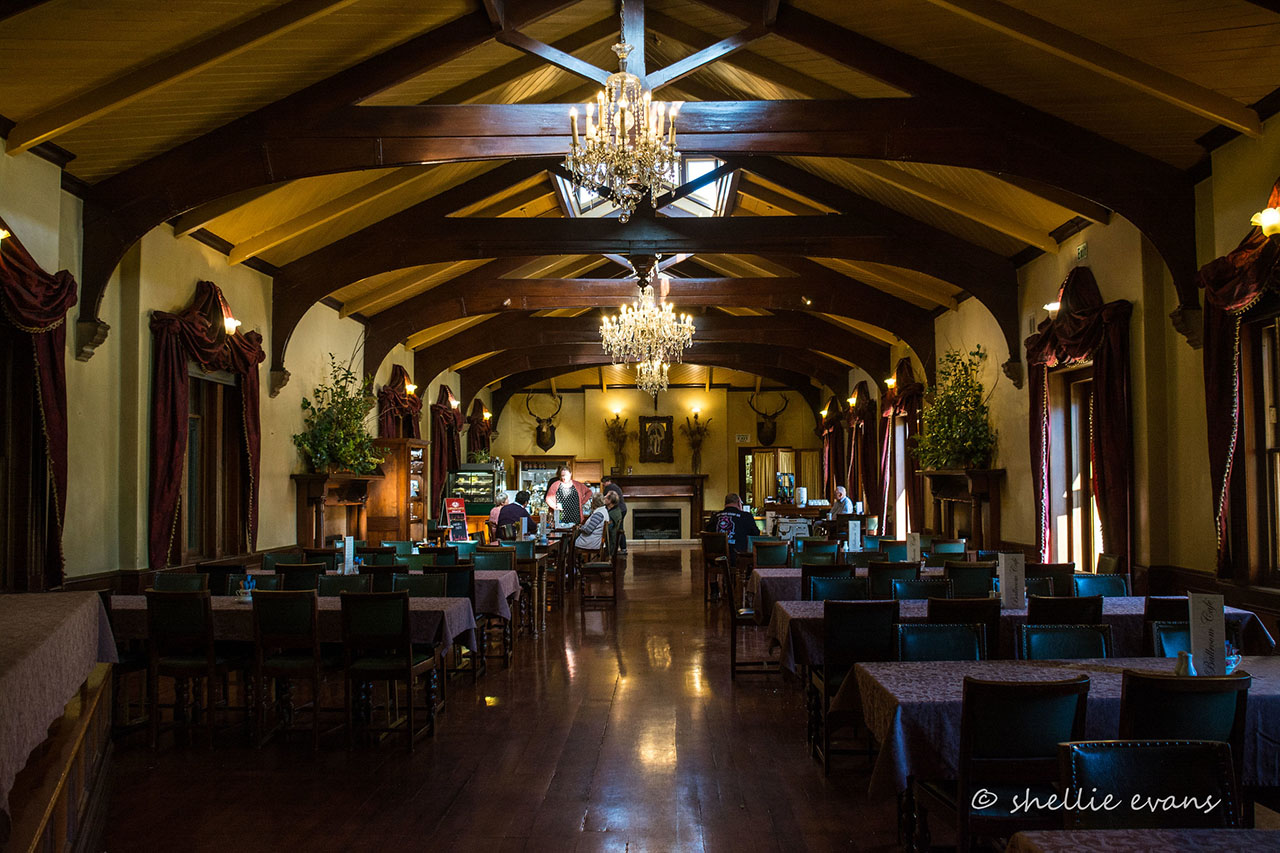
A billiard room at the back was superseded in 1887 by the ballroom, which was also designed to take two full-sized billiard tables.
Construction Materials
Much of the stone used for the Castle came from a basalt quarry nearby. Other materials included yellow brick, Oamaru stone, Port Chalmers basalt, Cornwall blackstone, Italian marble, Marseilles cobbles, Catlins timber, North Island Kauri and local Caversham sandstone for the ballroom.
Notable Features
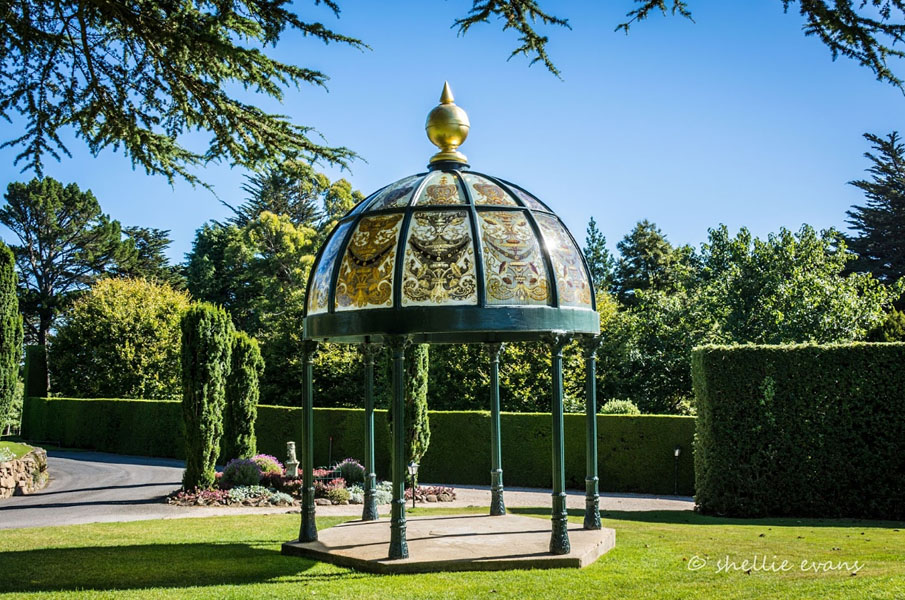
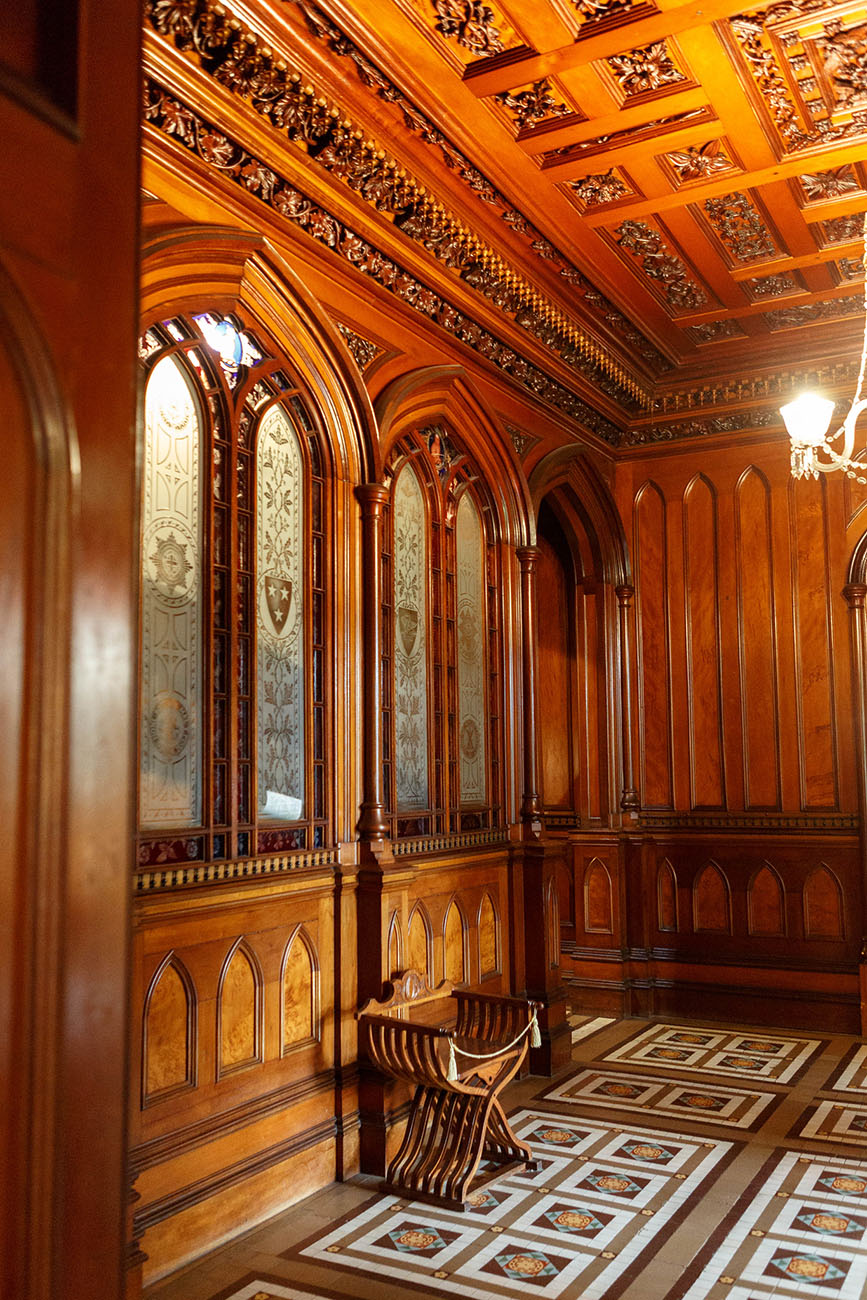
The sheer size of the building with its 34 rooms covering 43,200 square feet of floor space, the stone carvings by the Godfrey family, especially the animals flanking the main entrance, the quality of the materials used throughout and extensive gardens.
Construction Professional
Name
Lawson, Robert Arthur
Type
Architect
Biography
Born in Scotland, Lawson (1833-1902) began his professional career in Perth. At the age of 25 he moved to Melbourne and was engaged in goldmining and journalism before resuming architectural practice. In 1862 Lawson sailed for Dunedin, where his sketch plans had won the competition for the design of First Church. This was built 1867-73. Lawson went on to become one of the most important architects in New Zealand. First Church is regarded as his masterpiece and one of the finest nineteenth century churches in New Zealand. He was also responsible for the design of the Trinity Church (now Fortune Theatre), Dunedin (1869-70), the East Taieri Presbyterian Church (1870), and Knox Church, Dunedin (1874). He designed Park's School (1864) and the ANZ Bank (originally Union Bank, 1874). In Oamaru he designed the Bank of Otago (later National Bank building, 1870) and the adjoining Bank of New South Wales (now Forrester Gallery, 1881). See also: Ledgerwood, Norman, 2013. 'R.A. Lawson: Victorian Architect of Dunedin'. Historic Cemeteries Conservation NZ.
Construction Details
Start Year
1871
Type
Other
Description
The foundation stone was laid (August)
Start Year
1873
Type
Original Construction
Description
Building began
Start Year
1874
Type
Other
Description
The family moved in
Start Year
1875
Type
Other
Description
The lower apartments were finished
Start Year
1876
Type
Other
Description
The main shell was completed
Start Year
1887
Type
Modification
Description
A billiard room at the back was superseded in 1887 by the ballroom, which was also designed to take two full-sized billiard tables.
Construction Materials
Much of the stone used for the Castle came from a basalt quarry nearby. Other materials included yellow brick, Oamaru stone, Port Chalmers basalt, Cornwall blackstone, Italian marble, Marseilles cobbles, Catlins timber, North Island Kauri and local Caversham sandstone for the ballroom.
Notable Features
The sheer size of the building with its 34 rooms covering 43,200 square feet of floor space, the stone carvings by the Godfrey family, especially the animals flanking the main entrance, the quality of the materials used throughout and extensive gardens.
ARCHITECT/DESIGNERS: R A Lawson supervised the building work, and may well have produced the basic design for the building. The clumsiness of execution suggests that Larnach interfered so much that Lawson disowned the design. No other architect's name is linked to the original design, though Larnach may have obtained the plans from England. Wales of Mason and Wales designed the billiard room/ballroom wing. The engineer must be considered to be R A Lawson. Nathaniel Wales was partner to William Mason and tends to be overshadowed by him. They designed Bishopscourt (Columba College) together. ARCHITECTURAL DESCRIPTION (Style): The style is Victorian Scottish Baronial with a Neo-Gothic tower and colonial styled two storied verandahs round three sides. MODIFICATIONS: The exterior of the main building is relatively unmodified and much of the grandeur of the interior remains, though the original furnishings were dispersed when the Larnach family sold the castle in 1907. Various of the outbuildings have been destroyed (such as the abattoir) or modified.
ARCHITECT/DESIGNERS: R A Lawson supervised the building work, and may well have produced the basic design for the building. The clumsiness of execution suggests that Larnach interfered so much that Lawson disowned the design. No other architect's name is linked to the original design, though Larnach may have obtained the plans from England. Wales of Mason and Wales designed the billiard room/ballroom wing. The engineer must be considered to be R A Lawson. Nathaniel Wales was partner to William Mason and tends to be overshadowed by him. They designed Bishopscourt (Columba College) together. ARCHITECTURAL DESCRIPTION (Style): The style is Victorian Scottish Baronial with a Neo-Gothic tower and colonial styled two storied verandahs round three sides. MODIFICATIONS: The exterior of the main building is relatively unmodified and much of the grandeur of the interior remains, though the original furnishings were dispersed when the Larnach family sold the castle in 1907. Various of the outbuildings have been destroyed (such as the abattoir) or modified.
Historical and Associated Iwi / Hapū / Whānau
Information Sources
Knight, 1981
H. Knight, The Ordeal of William Larnach, Allied Press, Dunedin, 1981
Stacpoole, 1976
John Stacpoole, Colonial Architecture in New Zealand, Wellington, 1976
Other Information
This historic place was registered under the Historic Places Act 1980. This report includes the text from the original Building Classification Committee report considered by the NZHPT Board at the time of registration Please note that entry on the New Zealand Heritage List/Rarangi Korero identifies only the heritage values of the property concerned, and should not be construed as advice on the state of the property, or as a comment of its soundness or safety, including in regard to earthquake risk, safety in the event of fire, or insanitary conditions.
Historical and Associated Iwi / Hapū / Whānau
Information Sources
Knight, 1981
H. Knight, The Ordeal of William Larnach, Allied Press, Dunedin, 1981
Stacpoole, 1976
John Stacpoole, Colonial Architecture in New Zealand, Wellington, 1976
Other Information
This historic place was registered under the Historic Places Act 1980. This report includes the text from the original Building Classification Committee report considered by the NZHPT Board at the time of registration Please note that entry on the New Zealand Heritage List/Rarangi Korero identifies only the heritage values of the property concerned, and should not be construed as advice on the state of the property, or as a comment of its soundness or safety, including in regard to earthquake risk, safety in the event of fire, or insanitary conditions.
Current Usages
Uses: Accommodation
Specific Usage: House
Former Usages
General Usage: Accommodation
Specific Usage: House
Web Links
description: Larnach Castle Garden (NZ Gardens Trust)
url: https://www.gardens.org.nz/dunedin-coastal-otago-gardens/larnach-castle-garden/
description: Larnach Castle website
Current Usages
Uses: Accommodation
Specific Usage: House
Former Usages
General Usage: Accommodation
Specific Usage: House
Web Links
description: Larnach Castle Garden (NZ Gardens Trust)
url: https://www.gardens.org.nz/dunedin-coastal-otago-gardens/larnach-castle-garden/
description: Larnach Castle website